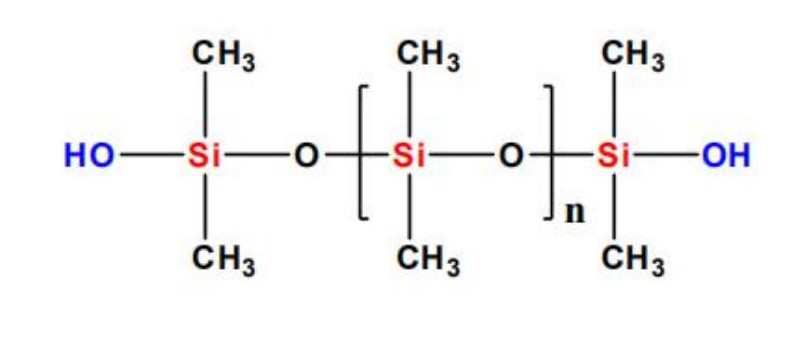
Polysiloxane, widely recognized in the industry as Silicone Oil, powers everything from heavy machinery to delicate cosmetics and food processing systems. Despite its universal presence, buyers frequently raise valid safety concerns. These questions typically involve potential toxicity, incidental skin contact, and long-term environmental impact.
Assessing the true safety profile of this polymer requires looking past generic marketing claims. You must evaluate specific chemical grades and verifiable safety metrics. Relying on Safety Data Sheet (SDS) numbers and strict regulatory guidelines from the FDA, EU REACH, and EWG is essential. Safety is never a blanket guarantee. It depends heavily on purity and proper application.
This article provides a comprehensive, evidence-based framework to guide your selection process. We will help you identify the correct, compliant grade of Silicone Oil for your specific applications. You will also learn how to successfully mitigate known physical and chemical risks in your workplace.
Chemically Inert: High molecular weight prevents skin absorption; authoritative bodies (like Environment Canada and EWG) classify it as non-toxic and non-bioaccumulative.
Grade Determines Safety: Industrial-grade oils may contain harmful friction additives, whereas medical, cosmetic, and food-grade variations undergo rigorous purification.
Measurable Safety Thresholds: Standard SDS data indicates extremely low oral toxicity (LD50 > 5000 mg/kg) and high thermal stability (flash points often > 285°C / 545°F).
Strict Contraindications: Silicone oil is strictly prohibited for unapproved soft-tissue injections (per FDA warnings) and will degrade solid silicone rubber upon contact.
Evaluating chemical safety begins with understanding molecular structure. Polysiloxanes possess a highly stable Si-O-Si (silicon-oxygen) polymer backbone. This unique structure grants the fluid its famous chemical inertness. It does not react easily with other substances. Furthermore, the large molecular size physically prevents the compound from penetrating human skin. Because it cannot enter the bloodstream topically, it remains inherently hypoallergenic. Dermatologists frequently recommend it as a safe barrier cream ingredient.
To move beyond theory, we must look at standardized, quantitative safety metrics. Safety Data Sheets (SDS) provide clear numerical thresholds for risk assessment. These documents offer a transparent view of the fluid's toxicological profile.
Oral Toxicity: Standard laboratory testing reveals exceptionally low acute toxicity. The benchmark rat LD50 (Lethal Dose for 50% of subjects) consistently exceeds 5000 mg/kg. This demonstrates that accidental ingestion of small amounts poses negligible acute health risks.
Endocrine & Mutagenic Risks: Regulatory bodies scrutinize chemicals for long-term health effects. EU REACH and CLP compliance data confirm a crucial distinction. Pure, linear polysiloxanes contain no endocrine disruptors. They also carry no reproductive toxins. This sharply contrasts with certain cyclic siloxanes (like D4 or D5), which face tighter regulatory scrutiny.
Inhalation Hazards: At room temperature, the fluid exhibits exceptionally low volatility. It does not emit harmful vapors under normal atmospheric conditions.
Third-party health organizations corroborate these laboratory findings. The Environmental Working Group (EWG) Skin Deep database evaluates cosmetic ingredients rigorously. They assign a hazard score of "Low" to standard polysiloxanes. This rating covers multiple vectors, including cancer risk, allergies, and immunotoxicity. You can trust these independent evaluations when formulating personal care products.
A common mistake is treating all polysiloxanes as identical. Safety heavily depends on the manufacturing grade. Processing methods dictate the purity level and the presence of additives. You must select the precise grade matched to your intended use case.
Industrial and Radio Control (RC) grades prioritize mechanical performance over human safety. They excel at lubricating gears and dampening shocks. While safe for incidental skin contact, they are notoriously difficult to wash off. These industrial fluids often contain proprietary anti-wear additives. They might also harbor trace heavy metal impurities from the manufacturing process. You will sometimes see California Proposition 65 warnings on these bottles. These warnings usually relate to the plastic packaging disposal. They can also refer to specific non-silicone additives, rather than the base polymer itself.
Personal care and cosmetic grades undergo entirely different refinement processes. Manufacturers highly purify these fluids to strip out reactive byproducts. This makes them ideal for personal lubricants and premium skincare. They do not degrade latex materials. Because they contain zero water, they cannot harbor bacterial growth. This eliminates the need for harsh chemical preservatives in many formulations.
Food-grade variations adhere to strict NSF H1 standards. Facilities use these fluids in manufacturing environments where incidental food contact might occur. Think of conveyor belts in commercial bakeries. These specific grades remain strictly non-toxic, odorless, and tasteless. They ensure that accidental machinery drips do not contaminate the consumer food supply.
Grade Comparison and Safety Profiles | |||
Grade Category | Primary Applications | Safety Reality & Risks | Purity Level |
|---|---|---|---|
Industrial / RC Grade | Machinery, RC shocks, mold release | Safe for brief contact; hard to clean; may contain harsh additives. | Low to Moderate |
Cosmetic Grade | Skincare, hair serums, personal lubricants | Hypoallergenic; will not harbor bacteria; safe for prolonged skin contact. | High (Purified) |
Food-Grade (NSF H1) | Food processing belts, bottling plants | Safe for incidental food contact; odorless and tasteless. | Extremely High |
Despite an excellent general safety profile, polysiloxanes present specific, severe risks when misused. Understanding these boundaries protects workers, consumers, and equipment. You must respect the physical and chemical limits of the polymer.
We can categorize the absolute contraindications into three primary areas:
Thermal Degradation Limits: The polymer boasts remarkable thermal stability. However, it is not invincible. When exposed to extreme temperatures exceeding 428°F (220°C) in standard air, the fluid begins to degrade. It oxidizes and off-gases volatile compounds, including trace amounts of formaldehyde. Operating above these thermal limits completely invalidates the material's safety profile.
The Danger of Subcutaneous Injections: You must never use industrial or cosmetic liquid polymers for internal medical procedures. The FDA issues explicit, severe warnings regarding this practice. Liquid silicone is strictly prohibited for cosmetic soft-tissue injections. Injecting it can cause Silicone Implant Incompatibility Syndrome (SIIS). It frequently leads to life-threatening embolisms and severe autoimmune reactions. The liquid migrates through tissues and cannot be easily removed.
Material Incompatibility: Chemistry follows the "like dissolves like" principle. Liquid polysiloxane will aggressively attack solid silicone rubber. If you apply it to medical tubing, appliance seals, or personal devices made of similar materials, disaster follows. The solid items will swell rapidly. They degrade, lose structural integrity, and become highly porous. Always verify material compatibility before application.
Common mistakes in the workplace often involve ignoring these three rules. Workers might use standard fluids in high-heat industrial ovens. Consumers might mistakenly use silicone-based personal lubricants with incompatible toys. Education on these specific contraindications prevents costly and dangerous errors.
Handling bulk quantities requires standard industrial safety protocols. The National Fire Protection Association (NFPA) provides clear workplace guidelines. They generally rate this fluid as a 0 or 1 for health hazards. This indicates minimal danger during routine handling. Some specific variations hold a 2 rating for mild eye irritation. You should always wear standard Personal Protective Equipment (PPE), including chemical splash goggles, during bulk transfers.
When assessing environmental impact, we encounter an interesting ecological paradox. The fluid is highly resistant to biodegradation. This means it persists in the environment for very long periods if spilled. It does not break down quickly in soil or water systems. However, this extreme stability is also its saving grace.
Because it resists degradation, it does not break down into toxic secondary chemicals. It does not poison the water table. It does not bioaccumulate in marine life like certain heavy metals or microplastics. Over an extended timeline, environmental factors eventually break it down into naturally occurring silica (sand), water, and carbon dioxide. While minimizing spills remains crucial, its ultimate environmental fate is benign.
Workplace Hazard & Environmental Chart | ||
Metric / Standard | Typical Rating / Result | Handling Implications |
|---|---|---|
NFPA Health Hazard | 0 to 1 (Rarely 2) | Low risk; standard safety goggles recommended. |
NFPA Flammability | 1 | Requires pre-heating to ignite; high flash point. |
Biodegradability | Extremely Low | Persists in soil; requires strict spill containment. |
Bioaccumulation Potential | Negligible | Does not build up in animal tissue or food chains. |
Choosing the correct fluid requires a systematic approach. You cannot simply order a generic barrel and hope it works safely. You must define your exact operational parameters. Match the fluid's viscosity to your mechanical needs. Viscosity is measured in centistokes (cSt). A 10 cSt fluid flows like water. A 1000 cSt fluid pours like thick syrup. Using the wrong viscosity leads to mechanical failure and subsequent safety hazards.
Chemical modifications also matter immensely. If your application involves extreme heat, specify a phenyl-modified variant. If you formulate textile softeners, seek an amino-modified grade. Matching the modification to the environment guarantees safe, stable operation.
Next, you must verify compliance documentation. Demand transparency from your suppliers. Require them to provide an up-to-date SDS before purchase. Confirm EU CLP exemptions if you export to Europe. If your facility processes food, demand the official NSF H1 certification. Look closely at the heavy-metal testing limits on the Certificate of Analysis. Missing documentation is a massive red flag.
Finally, factor in implementation and rollout risks. Plan your clean-up protocols before the liquid ever enters your facility. Because of its extreme hydrophobicity, water cannot clean up a spill. Water simply spreads the slick further. Spills create severe, dangerous slip hazards on concrete floors. You must stock specialized surfactants or industrial solvents. Depending on your facility's safety rules, you might need toluene or high-concentration isopropyl alcohol to effectively strip the slippery residue.
Pure polysiloxane remains fundamentally safe, chemically inert, and non-toxic. It excels in external skincare, mechanical lubrication, and incidental food-contact applications. Its high molecular weight prevents biological absorption, ensuring low risks for daily handling.
However, safety relies entirely on precision. Evaluating safety means selecting the correct grade for your exact use case. You must demand transparent compliance documentation from reliable suppliers. Never substitute industrial grades for cosmetic or medical applications.
Take action today by reviewing your current inventory. Consult specific technical data sheets for your materials. Contact a formulation expert to match the exact cSt viscosity and purity grade to your project requirements. Ensuring safety is a proactive, data-driven process.
A: No. While the base polymer is not inherently toxic, industrial grades contain impurities. They often feature anti-wear additives that are never tested for dermatological safety. You should always use highly purified, cosmetic-grade variations for intentional skin contact or personal care formulations.
A: These warnings rarely apply to the pure polysiloxane itself. They typically address trace contaminants from the manufacturing process. They can also refer to aerosol propellants inside spray cans, or the specific plastic chemicals used in the container's manufacturing.
A: It has an exceptionally long shelf life compared to organic oils. Because of its synthetic, inorganic nature, it contains no water or organic nutrients. Therefore, it cannot support microbial growth or oxidize into a rancid state like vegetable or animal fats.
A: Water is completely ineffective due to the fluid's extreme hydrophobicity. Mopping with water only creates severe slip hazards. You must use specialized industrial degreasers, high-concentration isopropyl alcohol, or specific hydrocarbon solvents to break down and remove the slick residue.