Views: 172 Author: Site Editor Publish Time: 2026-07-02 Origin: Site
When specifying elastomers for industrial or automotive applications, chemical compatibility is rarely a simple "yes" or "no." While silicone is renowned for its extreme thermal stability and flexibility, its resistance to oil is conditional. Specifying the wrong compound in an oil-heavy environment can lead to rapid swelling, degradation, and catastrophic seal failure. This guide breaks down the molecular realities of silicone's chemical compatibility, comparing it against alternative elastomers, and provides a clear evaluation framework for selecting the right sealant or gasket for oil-exposed environments.
Polarity Dictates Performance: Silicone performs well against large non-polar molecules (plant oils, standard motor oils) but breaks down when exposed to small non-polar molecules (gasoline, diesel).
The "Dual-Exposure" Advantage: Silicone is the optimal choice when applications require resistance to both moderate oil exposure and extreme temperatures (-60°C to +230°C) where standard oil-resistant rubbers like NBR fail.
The "Like Dissolves Like" Paradox: Never use Silicone Oil or silicone-based lubricants on silicone rubber components (like O-rings); the chemical similarity causes immediate swelling and softening.
Upgraded Formulations Exist: For direct fuel exposure, Fluorosilicone (FVMQ) provides the necessary chemical resistance without sacrificing thermal stability.
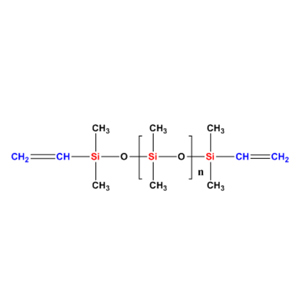
To understand chemical compatibility, we must look at the molecular structure of the elastomer. Standard silicone rubber relies on a polysiloxane backbone. This structure consists of alternating silicon and oxygen atoms. The Si-O bond possesses incredibly high bond energy. It gives the material outstanding thermal stability and UV resistance. However, this unique molecular arrangement also creates a relatively open polymer matrix. Chemical solvents can permeate this open matrix under the right conditions.
You can predict performance by following the rule of molecular polarity. Chemical compatibility largely depends on how the elastomer interacts at a molecular level. We can categorize this interaction into three distinct evaluation criteria:
Excellent Resistance: Water, aqueous solutions, and highly polar chemicals cannot easily permeate the polymer matrix. You can confidently deploy standard silicone in these environments.
Good/Moderate Resistance: Large non-polar molecules struggle to penetrate the tight cross-linking of premium silicone. It effectively resists coconut oil, olive oil, heavy gear oils, and standard motor lubricants. You will see minimal volume swell in these scenarios.
Poor Resistance (Avoid): Small non-polar molecules easily permeate the open polymer matrix. Diesel, unleaded gasoline, and paint thinners will quickly saturate the rubber. The material will swell aggressively, lose tensile strength, and eventually fail.
Engineers must also consider the physical application environment. You must differentiate between dynamic and static environments. Physical friction accelerates wear rapidly when marginal oil exposure softens the rubber. A softened O-ring acting as a dynamic mechanical seal will abrade and tear. Conversely, the same material performs much better as a static sealant compressed between two metal flanges. The lack of movement protects the softened polymer matrix from physical destruction.
Engineers face a constant balancing act. They must weigh oil resistance against temperature requirements, mechanical flexibility, and procurement budgets. No single material solves every engineering challenge perfectly. We must evaluate how standard polysiloxanes stack up against industry-standard oil-resistant rubbers.
Nitrile (NBR) represents the industry standard for pure oil and fuel resistance. It easily handles continuous submersion in petroleum-based fluids. However, NBR has a fatal flaw in high-heat applications. It embrittles, hardens, and fails rapidly at temperatures exceeding 120°C. You cannot use NBR near engine exhaust components or high-temperature industrial baking equipment.
Fluoroelastomers, commonly known as FKM or Viton, represent the premium extreme. They deliver exceptional chemical resistance against harsh fuels. They also survive immense heat. Unfortunately, they cost significantly more than standard options. They also become rigid and lose flexibility in extreme cold environments where silicone remains pliable.
EPDM serves as a cautionary tale. It is highly resistant to water, steam, and ozone. Many technicians mistakenly assume it can handle automotive fluids. However, EPDM exhibits nearly zero resistance to petroleum-based oils. Even minor exposure to motor oil will cause EPDM to swell massively and disintegrate.
This brings us to the true silicone sweet spot. It acts as the necessary compromise. You should specify it when an application demands continuous flexibility across a massive temperature spectrum (-60°C to +230°C) alongside intermittent or moderate oil splash exposure. It survives the heat where NBR fails, and it survives the cold where FKM turns rigid.
Elastomer Type | Oil / Fuel Resistance | Temperature Range | Best Application Scenario |
|---|---|---|---|
Nitrile (NBR) | Excellent | -30°C to +120°C | Standard fuel hoses, ambient temp oil seals. |
Fluoroelastomer (FKM) | Premium | -20°C to +200°C | Harsh chemical environments, aerospace fuels. |
EPDM | Poor (Avoid) | -40°C to +150°C | Outdoor weathering, pure water/steam sealing. |
Standard Silicone | Moderate (Splash) | -60°C to +230°C | High-temp automotive gaskets, HVAC seals. |
One of the most dangerous engineering traps involves routine maintenance protocols. Maintenance technicians frequently lubricate O-rings and gaskets before installation. They assume a silicone-based grease pairs perfectly perfectly with a silicone rubber seal. This assumption leads directly to catastrophic failure.
You must understand the chemical reaction governing this interaction. Chemistry follows a simple rule: "like dissolves like." Because the chemical structures are nearly identical, the solid rubber actively absorbs the liquid Silicone Oil. It acts as a solvent rather than a barrier. The absorption causes aggressive swelling. The seal expands out of its groove, softens dramatically, and loses all structural integrity. A perfectly designed mechanical joint will leak simply because the wrong lubricant was applied.
You can implement simple risk mitigation strategies to prevent this. Standardize your facility's maintenance protocols immediately. Ensure assembly technicians understand material incompatibilities. Specify the exact lubricants required for specific joints. Use barium-based greases, PAO synthetic lubricants, or dry PTFE sprays when servicing these specific seals. You protect the structural integrity of your elastomer components by keeping chemically similar fluids far away from them.
Labeling a material as "oil resistant" ignores the dynamic variables present in real-world applications. Resistance fluctuates based on manufacturing processes and environmental stressors. You must evaluate four critical variables before approving a sealant for production.
Cure Mechanisms (Platinum vs. Peroxide): Not all raw materials are manufactured equally. The vulcanization process matters. Platinum-cured variants offer a tighter, purer cross-linking structure. They leave fewer unreacted polymer chains behind. This refined molecular matrix results in lower volume swell rates. It delivers significantly better heat and oil resilience compared to cheaper peroxide-cured variants.
Temperature as a Catalyst: Fluid contact at room temperature rarely tells the whole story. An oil harmless at 20°C can become highly degradative at 150°C. Extreme heat alters the chemical reaction rate. Thermal energy forces the elastomer matrix to expand, allowing aggressive solvent molecules to permeate the barrier faster.
Concentration and Exposure Duration: You must categorize the physical exposure level. "Splash resistance" involves intermittent contact. The fluid drips or splashes onto the seal and drains away. Standard RTV sealants handle splash resistance easily. "Continuous submersion" means the material sits permanently underwater or under oil. Submersion requires specialized, highly cross-linked formulations to prevent eventual saturation.
Uncured vs. Cured State Performance: When working with liquid RTV sealants, you must account for surface conditions during application. Sometimes technicians must apply sealant to a contaminated flange. Premium industrial RTVs feature "bond-through-oil" capabilities. They displace surface contaminants during the curing process. You can apply them to an oily metal surface, and they achieve a fast tack-free time, often around 14 minutes, ensuring factory lines keep moving.
Selecting the correct formulation prevents costly warranty claims and equipment downtime. You can drastically narrow down your options by matching the specific formulation to the exact industrial requirement.
For automotive manufacturing, engineers rely heavily on Form in Place (FIP) gaskets. Standard off-the-shelf caulking fails under the hood. You must specify high-temp, low-volatile RTV silicones. Chemical companies design these specifically for timing gear covers, differential housings, and engine oil pans. They resist hot engine oil while absorbing the heavy vibrations generated by the motor.
Fuel processing and aerospace applications introduce a much harsher environment. Standard polysiloxanes fail instantly against jet fuel. In these scenarios, you must mandate Fluorosilicone (FVMQ). Chemists modify the base polymer by adding trifluoropropyl groups. The addition of fluorine atoms chemically repels hydrocarbon fuels. This upgrade solves the standard material's weakness to gas, diesel, and aviation fluids without sacrificing its extreme low-temperature flexibility.
Industrial machinery and HVAC systems face a different challenge. Compressors and heavy gearboxes expose components to synthetic lubricants and severe environmental weathering. For these machines, specify platinum-cured, high-durometer compounds. A higher durometer (hardness) indicates a denser molecular structure. It better resists compression set and limits marginal volume swell when splashed by compressor fluids.
Application Scenario | Fluid Exposure | Recommended Formulation |
|---|---|---|
Engine Block Sealing | Hot Motor Oil (Splash) | High-Temp Automotive RTV |
Aviation Fuel Lines | Jet Fuel / Diesel (Continuous) | Fluorosilicone (FVMQ) |
HVAC Compressors | Synthetic Lubricants | Platinum-Cured, High Durometer |
Food Processing | Vegetable Oils / Greases | FDA-Grade Standard Polysiloxane |
Your next steps for procurement require strict data verification. Never buy bulk materials based on generic marketing terms. Advise your purchasing teams to request official Technical Data Sheets (TDS). You need to verify the volume swell percentages under specific fluids. Look for ASTM D471 testing data. This standardized test measures exactly how much a rubber sample swells or shrinks after prolonged fluid immersion. Reviewing this data ensures your chosen elastomer will survive its intended operating environment.
Silicone remains a highly specialized engineering material with conditional oil resistance. It is not the universal answer for continuous fuel submersion or heavy diesel contact. However, it remains the undisputed champion for environments demanding both thermal flexibility and moderate fluid resistance. When you need a seal to survive sub-zero temperatures, blistering engine heat, and intermittent oil splash, standard polysiloxanes deliver unmatched reliability.
You can ensure project success by verifying chemical compatibility early in the design phase. We encourage you to consult your materials engineering teams. Request specific material samples, comparing standard high-temp RTV against premium Fluorosilicone. Run localized volume swell tests based on your exact operating fluids and temperature thresholds. Taking these precise steps guarantees you select the perfect seal for your specific mechanical demands.
A: Yes, provided it is an automotive-grade, high-temperature RTV specifically formulated for motor oil resistance. These industrial-grade compounds handle thermal expansion and hot oil splash effectively. Standard household silicone will quickly degrade and leak under these conditions.
A: Yes, depending on the oil's polarity. It will heavily absorb low-molecular-weight hydrocarbons like fuels. It also rapidly absorbs Silicone Oil due to chemical similarity, causing severe swelling. However, it actively resists absorbing large-molecule oils like vegetable and heavy motor oils.
A: Fluorosilicone incorporates fluorine atoms into the polymer chain. This chemical modification drastically improves its resistance to harsh non-polar solvents, aviation fuels, and diesel. These aggressive chemicals would easily destroy standard formulations, making Fluorosilicone essential for fuel applications.
A: It depends on the base of the hydraulic fluid. It resists many synthetic and water-glycol fluids well. However, petroleum-based hydraulic fluids often degrade it. You must require material testing or shift to Fluorosilicone or NBR depending on your specific temperature needs.