Views: 0 Author: Site Editor Publish Time: 2026-09-16 Origin: Site
Textile manufacturers and chemical formulators face a constant balancing act on the production floor. You must achieve premium fabric hand-feel, lasting durability, and top-tier performance. However, you also need to avoid severe production bottlenecks. Issues like emulsion breaking, fabric yellowing, and inconsistent batch results routinely plague many finishing lines. You need a highly reliable chemical agent to stabilize these processes.
Silicone Fluid stands out as the industry-standard solution for advanced textile finishing. It directly addresses these exact hurdles while elevating fabric quality. Choosing the right formulation directly impacts your batch yield. It also determines product consistency and ultimately dictates final market value.
In this guide, you will learn how to evaluate and implement these vital finishing agents. We cover formulations, critical production risks, and compliance standards. You will discover how to optimize your finishing baths for maximum efficiency and superior textile quality.
Silicone fluid is essential in textile finishing for imparting softness, water repellency, wrinkle resistance, and improved tear strength.
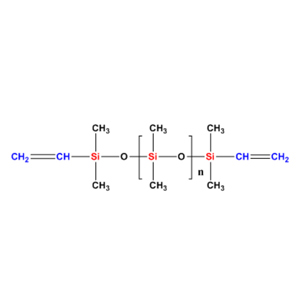
"Dimethyl silicone fluid" serves as the foundational polymer, often modified (e.g., amino-silicones) to meet specific fabric requirements.
Evaluating silicone oil for textiles requires analyzing viscosity, emulsion stability, and resistance to shear and heat.
Successful implementation hinges on strict pH control, precise curing temperatures, and verified compatibility with other bath additives.
A successful finishing process relies on several core criteria. You must achieve a consistent hand-feel across entirely different fabric batches. You also need to maintain zero spotting during application. Furthermore, optimizing your chemical costs remains essential for long-term profitability. Evaluating silicone oil for textiles requires looking beyond the initial purchase price. You must measure its direct impact on your operational yield.
The mechanical and tactile improvements provided by these polymers are substantial. They fundamentally alter the fabric surface. You will notice immediate surface smoothness. The fibers experience a sharp reduction in their coefficient of friction. This friction reduction leads directly to improved sewability. Sewing needles glide through treated fabrics rather than catching or breaking the yarns.
High-quality finishing formulations drastically reduce defect rates. Needle cutting destroys garments at the most expensive stage of production. By using stable, well-formulated silicone agents, you prevent yarn breakage. This directly lowers your scrap rate. Superior yield offsets any premium paid for quality chemical auxiliaries. Cheaper, unstable organic softeners often cause expensive reworks. Investing in specialized polymers eliminates these costly delays and maximizes your production output.
Textile finishing is never a one-size-fits-all process. Manufacturers modify the base polymer structure to create distinct properties. Understanding these variations helps you select the perfect agent for your specific fabric blends.
This category acts as the foundational baseline for textile treatments. We use dimethyl silicone oil primarily as a heavy-duty lubricant and water-repellent agent. It creates a smooth film over the fiber surface. This film reduces friction and adds a basic level of softness.
You will find this pure formulation best suited for synthetic fibers. Polyester and nylon benefit greatly from surface-level lubrication. Pure variants do not penetrate deeply into the fiber core. They sit on the surface to provide excellent slip and moderate hydrophobicity. However, they lack the reactive groups needed to bond permanently with natural fibers like cotton.
Amino-modified formulations dominate the premium softness market. Chemists introduce amino groups into the polymer chain. These groups provide a massive chemical bonding advantage. The reactive nitrogen atoms bind tightly to the hydroxyl groups found in cellulose fibers. This creates a semi-permanent finish on cotton and rayon fabrics.
You gain exceptional, luxurious softness with this modification. The drape improves significantly. However, you face a notable trade-off. Amino groups are prone to thermal oxidation. If you expose them to high curing temperatures, they can turn yellow. This makes traditional amino-silicones risky for pure white or light-colored fabrics.
The modern apparel market demands performance. Consumers want moisture-wicking activewear and breathable garments. Traditional finishes often block moisture absorption. Polyether-modified silicones solve this problem entirely. They shift the fabric finish toward hydrophilicity.
By attaching polyether chains to the siloxane backbone, formulators create a finish that absorbs moisture. You use this solution for fabrics requiring both softness and breathability. It represents the gold standard for sportswear, intimates, and high-end towels.
Table 1: Silicone Modification Properties and Best Uses
Formulation Type | Primary Benefit | Main Drawback | Best Fabric Applications |
|---|---|---|---|
Pure Dimethyl | Excellent slip, cost-effective | Lacks chemical bonding, poor wash durability | Synthetics, industrial sewing threads |
Amino-Modified | Premium, luxurious hand-feel | High risk of thermal yellowing | Dark cottons, premium knits, denim |
Polyether-Modified | Moisture wicking, breathable | Slightly less soft than amino variants | Activewear, towels, underwear |
Selecting the correct chemical requires careful technical evaluation. You cannot simply pour a random softener into a finishing bath and expect good results. Procurement teams and formulators must analyze several specific technical parameters.
The viscosity of the fluid determines how it interacts with the yarn. We measure this in centistokes (cSt). You must match the fluid viscosity to your desired fabric drape and penetration depth.
Lower viscosity fluids contain smaller molecules. They penetrate deep into the yarn bundle. This provides internal softness and improves tear strength. Higher viscosity variants feature longer polymer chains. They remain on the fabric surface. This creates a slick, smooth outer hand-feel. Many successful formulas blend high and low viscosities to achieve comprehensive fabric treatments. Evaluating dimethyl silicone fluid variants requires testing different cSt ranges on your specific textile structure.
Most finishing agents enter the bath as oil-in-water emulsions. Emulsion stability dictates your production success. The fluid must withstand high-shear forces in padding mangles.
Padding mangles squeeze the fabric under immense pressure. If the emulsion is unstable, the shear force breaks it apart. The oil separates from the water. This separated oil deposits onto the fabric as greasy, unremovable spots. You must request stability data from your supplier before running a full production scale. The emulsion must also survive the high heat generated during rapid stenter frame processing.
You need a strict framework for evaluating oxidation risks. Amino-silicones pose the highest risk to white fabrics. Evaluate the amine value of the product. A higher amine value generally means better softness but worse yellowing.
Run test swatches through your stenter frame at peak curing temperatures. Compare the whiteness index before and after curing. Many modern suppliers offer "low-yellowing" or "non-yellowing" block copolymer variants. These modified formulas protect the nitrogen groups from oxidation. They keep light-colored fabrics pristine.
A textile finishing bath rarely contains just one chemical. You will often mix softeners with cross-linking resins, fluorocarbon water repellents, and optical brighteners.
You must assess how the finishing agent interacts with these other additives. Anionic brighteners can clash with cationic amino-silicones. This clash causes immediate bath precipitation. Always perform a beaker test first. Mix your intended recipe in a glass beaker at the required pH. Observe it for cloudiness or separation over a few hours. Only proceed to the padding mangle if the bath remains clear and stable.
Even the best formulations can fail if applied incorrectly. The production floor presents harsh realities. You must understand common risks and prepare strict mitigation strategies.
Silicone spotting is a nightmare for mill managers. It ruins entire rolls of fabric. These spots look like dark, greasy stains that repel water during subsequent processing.
Causes include high shear forces in the mangle, electrolyte interference from hard water, or an incorrect pH level in the bath. Most emulsions require a mildly acidic environment (pH 5.5 to 6.0) to remain stable.
Mitigation requires strict protocols. Always pre-test bath stability in the lab. Utilize proper emulsification protocols provided by the manufacturer. Install filters before the padding trough to catch any agglomerated particles before they hit the fabric. Calibrate your dosing pumps to ensure you never shock the bath with a sudden pH shift.
You want bath towels to absorb water. However, consumers also want them to feel soft. A major production error involves making these fabrics completely hydrophobic.
This occurs due to the over-application of standard fluid types. Traditional variants form a water-repellent film. If you apply them heavily to terry cloth, the towel will simply smear water around instead of drying the user.
Mitigation requires shifting your formulation strategy. You must transition to hydrophilic blends for terry cloth, underwear, and activewear fabrics. Polyether-modified variants ensure the fabric remains plush while actively drawing moisture away from the skin. Always perform a simple drop test to verify absorbency times after finishing.
You must acknowledge a harsh industry reality. Once cured, these polymers are notoriously difficult to strip. If you discover a dyeing defect after finishing, you have a major problem.
The chemical bonds formed during curing resist standard washing. You cannot simply scour the fabric and re-dye it. The residual finish will block the new dye, leading to patchy, unacceptable colors.
Advise your team to establish strict quality control checkpoints. Inspect fabric color and fastness before it enters the finishing stenter. If you absolutely must strip a batch, you will need specialized strippers and strong alkaline scouring agents. This aggressive rework process risks damaging the underlying fiber strength. Prevention is vastly cheaper than remediation.
The textile industry operates under intense environmental scrutiny. Brands demand full traceability. You must select chemicals that align with global safety standards. Evaluating suppliers requires a structured approach.
You must mandate strict regulatory checks for any chemical entering your facility. Confirm Oeko-Tex Standard 100 compliance for apparel applications. This certification ensures the end product is safe for human skin contact.
Verify REACH registration if you operate in or export to Europe. Furthermore, demand ZDHC (Zero Discharge of Hazardous Chemicals) conformance. Modern buyers aggressively audit facilities for cyclic siloxanes (D4, D5, D6). Ensure your chosen fluids feature high purity and comply with all cyclic restriction limits. Non-compliance can result in immediate contract terminations from major retail brands.
Choosing a supplier requires looking beyond a single sample. You must vet manufacturers for long-term reliability.
Check their batch-to-batch consistency. A good supplier uses automated reactors to ensure the viscosity and active content never fluctuate. Demand availability of detailed Technical Data Sheets (TDS) and Material Safety Data Sheets (MSDS). Look for suppliers with custom emulsion capabilities. A strong partner will tweak the emulsifier package to suit your local water hardness and specific machinery.
Never buy a full tote or drum based solely on a paper specification. You must execute a structured pilot protocol.
Recommend requesting lab samples first. Run a 1-kilo fabric trial in your lab environment. Test for hand-feel, yellowing, and bath compatibility. Once the lab trial passes, scale up to a 50-kilo trial on the actual production machine. Observe the padding mangle for any foam generation or sticky build-up. Only commit to full-scale procurement after this pilot protocol confirms complete operational stability.
The right silicone fluid transforms a standard, rigid textile into a premium, highly desirable product. It alters the mechanical properties of the yarn, reduces production friction, and elevates the final consumer experience. However, achieving these results requires precise technical selection.
Buyers and formulators must carefully weigh the balance between desired hand-feel and production stability. You might crave the ultimate softness of an amino variant, but you must balance that against the thermal yellowing risks. Conversely, you might opt for the safety and breathability of polyether formulations for activewear.
Take proactive steps today to secure your finishing processes. Encourage your procurement managers and technical team to review your current auxiliaries. Request a detailed Technical Data Sheet (TDS) or a lab-scale sample from your supplier. Run thorough compatibility tests in your specific finishing environment to ensure flawless, high-yield production runs.
A: Dimethyl variants are non-reactive, linear polymers. They provide surface lubrication, good water repellency, and basic softness without chemical bonding. Amino variants contain reactive nitrogen groups. These bind tightly to natural fibers, delivering a significantly softer, more luxurious hand-feel. However, amino variants carry a much higher risk of thermal yellowing during high-heat curing.
A: Yes, it can. Specifically, amino-modified silicones cause yellowing when exposed to high curing temperatures. This happens because the nitrogen groups in the amino structure undergo thermal oxidation. To prevent this, manufacturers often use modified block copolymers or control stenter frame temperatures strictly.
A: Removing cured finishes is extremely difficult due to strong fiber bonding. You must use harsh alkaline scouring agents combined with specialized silicone strippers at high temperatures. This aggressive stripping process is time-consuming and risks permanently damaging the fabric's structural integrity and tear strength.
A: Yes, high-purity variants are entirely safe. To meet Oeko-Tex Standard 100, the fluids must be free of harmful heavy metals and comply with strict limits on cyclic siloxanes (D4, D5, D6). Reputable manufacturers synthesize these polymers to meet all major environmental and consumer safety certifications.