Views: 0 Author: Site Editor Publish Time: 2026-09-02 Origin: Site
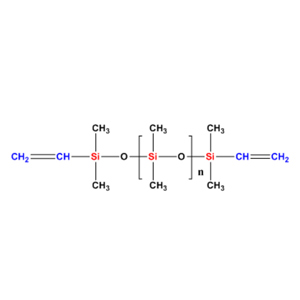
Specifying the correct raw material is rarely a simple, one-size-fits-all decision. The final performance of your engineered product hinges heavily on one key metric. This metric is the kinematic viscosity of your chosen Silicone Fluid. Industry engineers often categorize these versatile materials as dimethyl silicone oil. Viscosity in this fluid is directly dictated by its specific polymer chain length. Longer molecular chains inherently mean higher molecular weight and thicker flow. Choosing the wrong grade can lead to mechanical failure or poor thermal regulation. Why does this matter for your production lines? Formulations depend entirely on precise fluid dynamics to operate smoothly. We designed this guide to provide a clear, evidence-based evaluation framework. You will learn how varying viscosity levels dictate thermal performance and shear stability. We also cover how to evaluate commercial application suitability thoroughly. By the end, you will know exactly how to match rheological data to real-world demands.
Viscosity (measured in centistokes, cSt) directly determines a silicone fluid's primary function—ranging from heat transfer in low-viscosity fluids to mechanical damping in ultra-high-viscosity grades.
Unlike petroleum-based oils, silicone oil maintains an exceptionally flat Viscosity-Temperature Coefficient (VTC), meaning it resists thinning or thickening under extreme temperature fluctuations.
Evaluating fluid specifications requires matching laboratory rheological data (e.g., shear rate stability, thixotropy) with field application realities.
Supplier selection should heavily weigh batch-to-batch consistency and the availability of rigorous Certificate of Analysis (COA) documentation.
Specifying the wrong fluid carries steep operational risks for your business. Misjudging the required viscosity often leads to catastrophic product failures. Mechanical wear accelerates rapidly when boundary lubrication fails entirely. Thin fluids easily leak from poorly sealed industrial dampers. Conversely, overly thick fluids cause poor spreadability in cosmetic formulations. The financial cost of these errors adds up quickly over time. You face expensive product recalls, frequent warranty claims, and damaged brand reputation. Identifying the exact thickness required eliminates these costly manufacturing vulnerabilities.
Fluid behavior under stress represents another critical evaluation factor. Lower viscosities act as highly predictable Newtonian fluids under normal conditions. Their flow rate remains constant regardless of the applied mechanical shear. Very high viscosity grades behave quite differently in application. They often exhibit shear-thinning or pseudoplastic behaviors under heavy load. You might even observe the Weissenberg effect during high-speed operation. This unique phenomenon causes the fluid to climb rotating rods unexpectedly. Understanding these dynamic behaviors helps engineers avoid dangerous design flaws early.
The right fluid must balance several conflicting physical properties perfectly. You need optimal flowability for your specific mechanical application. The material must also resist volatility at elevated operating temperatures. Mechanical resistance remains equally vital for long-term operational success. The fluid must survive the target environment's unique temperature and pressure conditions. Careful evaluation ensures you meet all these distinct success criteria reliably.
Low-viscosity dimethyl silicone fluid flows almost exactly like water. These grades feature high volatility and extremely low surface tension. You will notice their excellent spreadability immediately upon application. They cover complex geometrical surfaces rapidly and incredibly evenly. This makes them ideal for intricate designs requiring microscopic penetration.
Primary applications include semiconductor nanofluid cooling systems and heat exchangers. Personal care products heavily rely on these lighter fluid grades daily. They deliver a smooth, non-greasy feel to commercial lotions and creams. Aerosol manufacturers also utilize them for consistent atomization patterns. The light nature ensures uniform dispensing through tiny aerosol nozzles.
You must monitor flash point data carefully during the formulation process. Extreme low-viscosity grades inherently possess much lower combustion thresholds. Ensure your operating temperatures stay well below these critical thermal limits. Ignoring this safety threshold invites severe fire risks during production.
Medium-viscosity options offer a robust middle ground for engineers. They deliver balanced thermal stability alongside remarkably low volatility. These fluids also boast impressive compressibility under high industrial pressure. We see them used extensively across countless modern manufacturing sectors globally.
General-purpose industrial lubricants frequently use these standard chemical grades. They serve brilliantly as mold release agents for tough plastics and rubbers. Hydraulic fluid applications also benefit heavily from their predictable compressibility rates. They provide the perfect balance between lubrication and mechanical resistance.
Engineers often use this specific range as an essential industry baseline. You can benchmark these fluids against standard industry Technical Data Sheets. This process helps verify supplier quality before moving toward specialization. It acts as a reliable testing ground for new product formulations.
These robust fluids present a remarkably high resistance to flow. They offer superior shear stability under extreme mechanical shock loads. You will also notice their pronounced tackiness during physical handling. This sticky nature keeps the fluid exactly where you apply it. It refuses to migrate away from critical friction points.
Automotive engineers use them heavily in viscous torsional vibration dampers. Heavy-duty gear lubrication systems rely strictly on their resilient fluid films. Specialty joint sealants also incorporate them to maintain structural integrity over time. They absorb kinetic energy far better than any mineral alternative.
Formulators must account for significant handling challenges during scaled production. Dispensing and pumping thick fluids require specialized high-pressure equipment. Plan your manufacturing rollouts carefully to avoid painful production bottlenecks. Heating the fluid slightly before pumping often alleviates these transfer difficulties.
Table: Viscosity Ranges and Target Applications Chart
Viscosity Category | Viscosity Range (cSt) | Key Physical Traits | Common Applications |
|---|---|---|---|
Low Viscosity | 0.65 - 50 | High volatility, low surface tension, fast spreading | Aerosols, cooling systems, cosmetics |
Standard / Medium | 50 - 1,000 | Balanced thermal stability, high compressibility | Hydraulics, lubricants, mold release agents |
High to Ultra-High | 1,000 - 1,000,000+ | High flow resistance, superior shear stability | Vibration dampers, heavy gear lubes, sealants |
The Viscosity-Temperature Coefficient measures thermal consistency across various extreme environments. You must know how to read VTC metrics on supplier documents. A lower VTC indicates superior stability across broad thermal windows. High-quality dimethyl silicone oil covers -40°C to +200°C effortlessly. The fluid resists thickening in freezing cold ambient conditions. It also refuses to thin out excessively under intense engine heat. This unmatched thermal stability justifies the investment over cheaper mineral oils.
Mechanical forces constantly test the fluid's internal molecular chains. You must assess how the material holds up under continuous shear. Ask yourself a critical question during the initial evaluation phase. Does the viscosity permanently degrade, or does it recover eventually? Temporary thinning is often acceptable for certain specific applications. However, permanent molecular shearing destroys long-term lubricating capabilities completely.
Your fluid must get along peacefully with surrounding housing materials. Document how the selected viscosity grade interacts with casing materials closely. You want to avoid swelling or shrinkage in delicate internal seals. EPDM, Neoprene, and natural rubbers require incredibly careful compatibility testing. Chemical inertness ensures your internal components survive their projected operational lifespan.
Regulatory compliance remains completely non-negotiable for highly sensitive applications. You must verify REACH or RoHS certifications for consumer electronics projects. Food and medical applications require strict FDA or USP grade validations. Secure these crucial documents early in the standard procurement cycle. Missing safety certifications will halt your product launch entirely and trigger audits.
Cheap raw materials often carry devastating hidden manufacturing costs. Poor polymerization control leads to incredibly wide tolerance bands. You might order 500 cSt but receive 400 cSt instead. This forces manufacturers to constantly adjust their proprietary chemical formulas. This endless tweaking wastes valuable time and expensive raw materials. Viscosity consistency is far more valuable than a remarkably low initial price.
Handling procedures strictly dictate your final product quality and performance. You must prevent cross-contamination during basic transfer and storage processes. Moisture ingress remains particularly dangerous for sensitive electronic circuit applications. Water alters the fluid's dielectric properties significantly upon immediate contact. Implement sealed pumping systems to keep external moisture out completely. Train your facility workers on proper isolation techniques.
Never skip rigorous laboratory validation before approving a new bulk material. We highly recommend conducting specific lab tests before scale-up. These simple tests prevent expensive manufacturing errors down the line. Build a comprehensive testing checklist to verify supplier claims independently.
Conduct rotational viscometer testing to verify exact shear limits.
Perform flashpoint validation to confirm thermal safety boundaries reliably.
Execute dielectric strength tests if formulating for electronic housings.
Run long-term compatibility tests against your chosen seal materials.
Standard shelf grades do not always meet tight operational tolerances. Can the supplier reliably blend to specific custom requirement requests? You might need exactly 750 cSt for a delicate mechanical mechanism. A capable partner will adjust their polymerization process to match perfectly. This custom capability separates true manufacturers from simple product distributors. It proves they control their own chemical engineering processes.
Transparency forms the bedrock foundation of a good supplier relationship. You need immediate access to updated Safety Data Sheets universally. The supplier must provide detailed COAs for every shipped lot. They should also share their transparent, repeatable testing methodologies openly. If a vendor hides their QA process, look elsewhere immediately. Obscured testing methods usually hide unacceptable batch-to-batch inconsistencies.
Raw materials often behave unexpectedly during the active R&D phase. Evaluate if the supplier provides real fluid dynamics technical expertise. Do they offer detailed rheological data to assist your engineering team? Strong technical support accelerates your troubleshooting timelines significantly during development. They should act as an extension of your own engineering department. A true partner helps you solve complex formulation problems proactively.
Viscosity remains the defining parameter of silicone oil performance. It bridges the critical gap between raw chemical properties and applied commercial success. Selecting the right thickness ensures your mechanisms run flawlessly under stress. We advise decision-makers to prioritize empirical testing above all else. Always demand stringent QA documentation from your chosen chemical suppliers. Look closely at fluid longevity and consistent batch performance across multiple deliveries.
To ensure a successful product rollout, follow these action-oriented next steps:
Build a robust validation protocol to test fluids under dynamic field conditions.
Audit your current supplier's Certificate of Analysis (COA) history for batch consistency.
Consult fluid dynamics experts when formulating for extreme temperature environments.
Establish strict in-house storage protocols to prevent moisture contamination.
A: Silicone oil features a remarkably flat viscosity-temperature curve. It resists thickening in freezing conditions and retains its body in extreme heat. Mineral oil possesses a much steeper thermal curve. It thickens rapidly when cold and thins out dangerously when hot. This stability makes silicone superior for extreme environmental applications.
A: Yes, blending is chemically possible to achieve intermediate viscosities. However, it requires precise mathematical calculations using logarithmic blending equations. You also need thorough mechanical mixing to ensure complete homogenization. Poorly mixed batches will separate eventually and cause erratic mechanical performance.
A: A damping fluid absorbs active kinetic energy. If the viscosity is too low, the fluid offers insufficient physical resistance. This leads to inadequate energy absorption during operation. Your mechanism will experience excessive vibration or rapid impact shocks. This ultimately causes premature mechanical damage to the surrounding internal components.
A: Traditional capillary viscometers fail completely when testing ultra-high viscosity grades. These thick fluids simply will not flow through tiny glass testing tubes. Instead, laboratory technicians use advanced rotational rheometers. These devices apply controlled mechanical shear directly to the fluid. They accurately measure the resulting resistance to determine the precise viscosity.